
.jpg)
Private Equity Insights
Darien Group exists to bridge the gap between exceptional design capabilities and private equity communications. Our library of resources serves as a practical guide for firms looking to refine or redevelop their brand and ensure their story resonates with target audiences.

Featured Videos
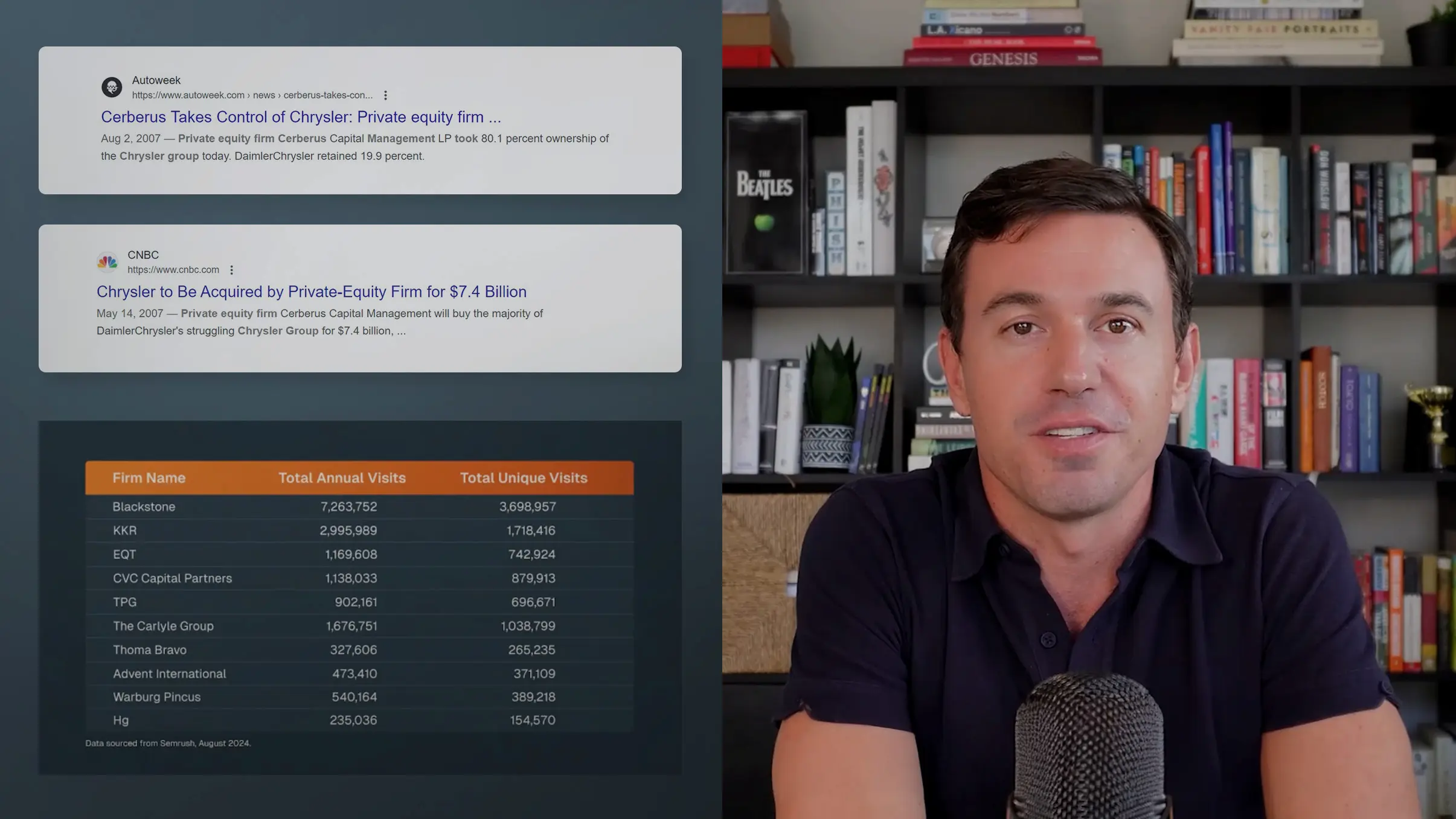

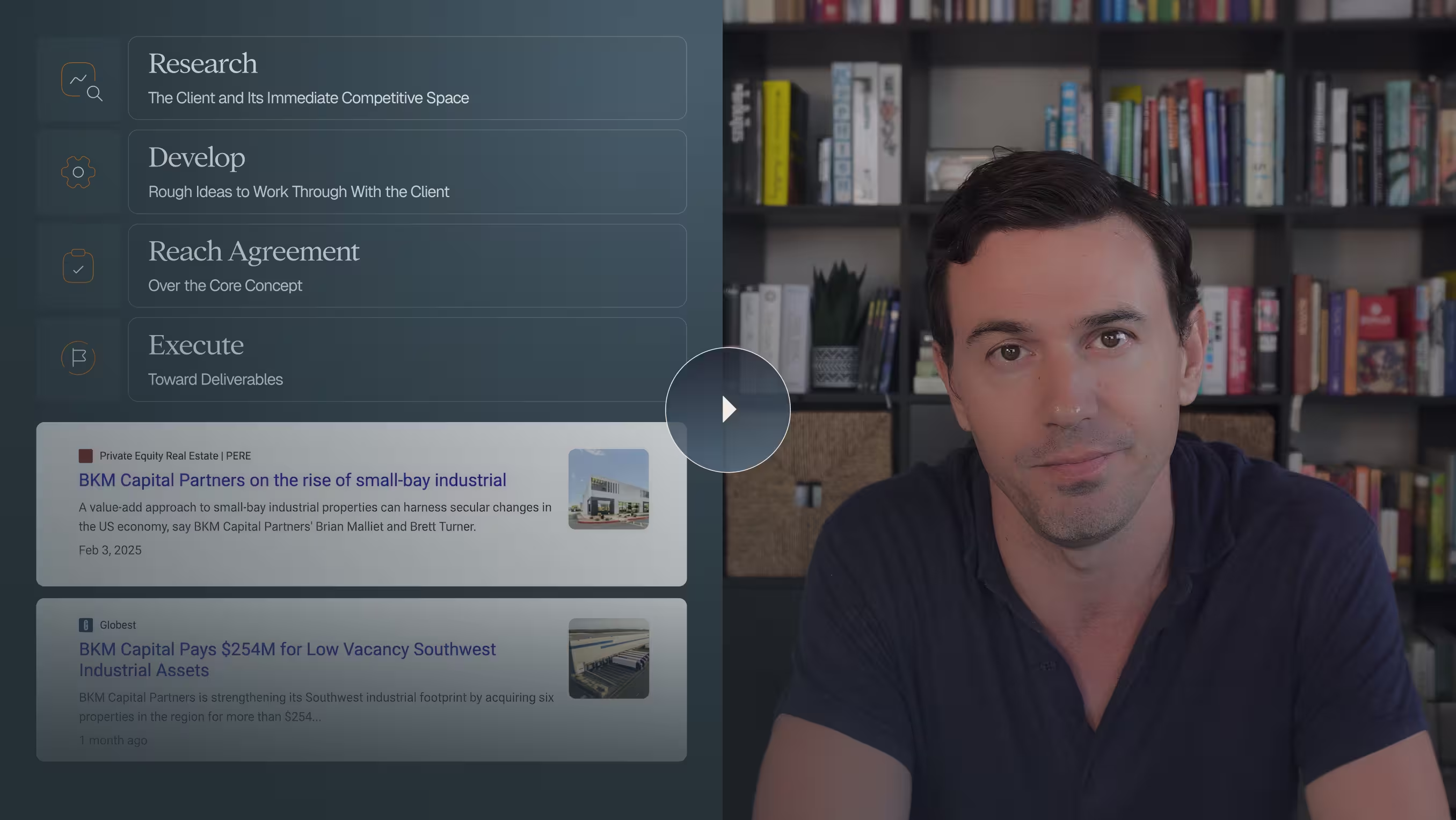



In recent years, we have seen a noticeable shift in how a subset of private equity firms chooses to present itself. While the broader market often rewards volume and visibility, many middle-market managers are taking the opposite route. These firms are opting for a quieter, more intentional brand strategy that mirrors how they operate and how they want to be perceived.
Their goal is not to reduce communication. Rather, it is to communicate with purpose. In an industry defined by relationships, the measured approach can be more effective than traditional forms of self-promotion.
1. Operators are responding to firms that present themselves as true partners
Across conversations with operators, a pattern consistently appears. They prefer investors who feel collaborative, approachable, and grounded in day-to-day realities. They are less interested in firms that rely on high-gloss positioning or the familiar language of financial prestige.
A quieter brand strategy sends a different signal. It tells operators that the firm values consistency over spectacle, clarity over flourish, and long-term partnership over transactional behavior. This aligns with what many operators say they want from their capital providers and often influences how they evaluate potential investment partners.
Quiet, in this sense, communicates steadiness.
2. A more restrained brand style helps firms stand out in a crowded middle market
Many middle-market firms struggle to express what makes them distinct. Their strategies, sector interests, and value creation processes often overlap. In this environment, louder communication does not guarantee recognition.
The firms choosing a quieter approach tend to explain their strategies with more precision. They describe their sourcing methods, their focus areas, and the reasoning behind their investment structures in ways that feel accessible and grounded. This simplicity clarifies their position in the market and gives the audience the context it needs to understand the firm’s strengths.
By reducing noise, they sharpen their message.
3. Firms with multiple strategies benefit from a clean, unified explanation of how they operate
Many firms now manage more than one strategy. Platform investing might sit alongside structured solutions, secondaries, or asset-level opportunities. While these approaches may connect internally, they often appear disjointed in external communication.
A quieter brand strategy forces firms to simplify how they explain their platform. Instead of presenting a collection of funds, they articulate a shared philosophy that underpins each strategy. They describe the operators they support, the types of situations they address, and the guiding principles that shape their work. This creates a sense of unity across the firm and allows audiences to understand how the parts fit together.
The approach does not reduce complexity. It organizes it.
4. Culture has become a practical differentiator but requires thoughtful expression
Firms regularly tell us that culture is one of their strongest attributes. They highlight lean teams, open communication, entrepreneurial mindsets, and a willingness to adapt. Yet these qualities often appear only in recruiting material or are expressed using generic language.
A quieter approach allows culture to emerge naturally. It highlights values through tone, through the way the firm describes its work, and through the emphasis placed on people rather than slogans. This helps the firm speak to operators, advisors, and potential hires in a way that reflects its actual working style.
When expressed honestly, culture becomes a competitive advantage.
5. Measured visibility performs better than high-frequency visibility
Many firms wrestle with a familiar tension. They want to be more widely known but do not want to resemble the more theatrical versions of private equity branding. They want materials that feel contemporary but not ostentatious. They want content that carries weight without becoming prolific.
This has led to a focus on selective communication. Firms are publishing fewer pieces, but each one is clearer. Their websites are structured for straightforward navigation rather than maximalist storytelling. Their materials highlight the essentials rather than an exhaustive list of details. Their tone is confident without being elevated for effect.
This form of visibility feels more aligned with how institutional audiences prefer to process information.
6. Quiet does not mean reserved. It means intentional.
The most effective understated brands share several traits. They organize information in a way that reduces friction. They communicate their approach in direct, plain language. They prioritize what the audience needs to know rather than everything the firm could say.
Quiet firms are not withholding details. They are arranging them with care.
This approach also mirrors how these firms behave in practice. They are selective about the situations they pursue. They build long-term relationships with operators. They maintain disciplined internal processes. Their communication strategy is simply an extension of how they work.
Conclusion. A quiet brand strategy can strengthen a firm’s position
For many private equity firms, especially those focused on long-term operator relationships and specialized middle-market strategies, a quieter brand posture aligns with their core identity. It allows them to present themselves in a way that feels accurate, thoughtful, and sustainable.
Quiet brands balance accessibility with professionalism. They emphasize clarity over ornamentation. They create space for the audience to understand the firm on its own terms.
Quiet is not absence. Quiet is structure. Quiet is careful expression. And for firms that succeed through depth rather than volume, it can be a meaningful strategic choice.


Private equity firms spend significant time refining their LP materials, yet founder-facing pitch decks are often treated as a secondary asset. In many cases, the same core presentation is reused across audiences with only minor adjustments. While this approach may feel efficient internally, it rarely aligns with how founders actually evaluate potential partners.
The result is not a lack of professionalism or effort, but a mismatch between intent and impact. Founder pitch decks frequently fail not because they are poorly designed, but because they are built for the wrong audience.
Why Founder Audiences Are Different
Founders do not approach a first meeting with a private equity firm as a financial exercise alone. While financial outcomes matter, the initial evaluation is more qualitative. Founders are assessing whether a firm understands their business, respects the complexity of what they have built, and has a credible perspective on the company’s future.
LP decks are designed to demonstrate discipline, track record, and process. Founder decks must do something else entirely. They need to communicate alignment, judgment, and long-term intent. When firms rely on institutional materials to do that work, the message often falls flat.
The Hidden Gap Between Conversation and Materials
One of the most common issues with founder pitch decks is internal inconsistency. Partners and senior team members tend to lead conversations with a set of themes that feel natural and compelling in person. These points emerge through experience—what resonates, what differentiates the firm, and what founders respond to over time.
However, those themes are often absent from the written materials. Decks become static documents that lag behind how the firm actually presents itself in meetings. Over time, a gap forms between what is said and what is shown. While this disconnect may not be obvious internally, it is immediately apparent to founders encountering the firm for the first time.
What Founder Pitch Decks Are Actually Meant to Do
A founder pitch deck is not meant to be comprehensive. Its purpose is not to explain every capability or document every investment outcome. Instead, it should create clarity around how the firm thinks, how it operates, and what kind of partner it intends to be.
Effective founder decks prioritize narrative over volume. They focus on a small number of ideas that matter and articulate them clearly. Rather than listing services or value creation initiatives, they frame a point of view—about growth, ownership transitions, and partnership dynamics—that founders can engage with.
Rethinking Case Studies for Founder Audiences
Case studies are often included in founder decks, but rarely in a form that serves their intended audience. Traditional case study formats tend to mirror banker materials, emphasizing transaction details and financial metrics. While those elements have their place, they do little to address the questions founders are actually asking.
Founders want to understand how decisions were made, how challenges were handled, and how the relationship between investor and management team evolved over time. Case studies that highlight these qualitative dimensions are more effective, particularly when they are designed to be modular and adaptable across different contexts.
Design as a Supporting Element, Not the Story
Design plays an important role in founder pitch decks, but it is not the differentiator. The most effective decks strike a balance between polish and practicality. They feel current and intentional without appearing overproduced, and they remain fully editable for internal teams.
When design works, it reinforces the narrative rather than distracting from it. It helps structure the conversation, guide attention, and create a sense of cohesion across the materials.
Narrow Engagements Can Drive Meaningful Change
Many firms assume that improving founder materials requires a broad brand initiative. In practice, focused engagements often deliver the most value. A well-structured founder deck, supported by a flexible template and a small set of strong case studies, can significantly improve how a firm is perceived in early conversations.
These projects also tend to surface deeper messaging questions, creating a natural foundation for future work without requiring an immediate, all-encompassing commitment.
A Better Question to Ask Internally
Rather than asking whether a founder deck looks professional, firms should ask whether it accurately reflects how they think and how they speak. If the materials do not capture the firm’s real perspective, founders will sense that disconnect quickly.
Clarity, consistency, and intention matter more than volume. When founder pitch decks are built with those principles in mind, they become a meaningful part of the relationship-building process rather than a formality to get through.


A Practical Perspective on Private Equity Digital Marketing and Thought Leadership
LinkedIn has quietly become one of the most influential digital channels in private equity. It is the only environment where LPs, founders, intermediaries, operating leaders, and potential hires all spend meaningful time in the same ecosystem. Yet it is also the channel the industry uses least effectively.
Most firms treat LinkedIn as an announcement board. Others ignore it entirely. Only a small number use it as a strategic tool for shaping how the market perceives their expertise long before a fundraising meeting or sourcing conversation takes place.
For those firms, LinkedIn is not a visibility tool. It is a memory tool. It reinforces the firm’s thinking at a cadence the market can absorb, with none of the constraints of more formal communication channels.
The Most Valuable Content Is the Content You Already Have
Many private equity firms assume they need to create new content in order to publish regularly. In reality, most already produce more high-quality thinking than they realize.
AGM decks, quarterly letters, white papers, investment committee themes, diligence observations, and even partner conversations often contain insights that can be repurposed into LinkedIn posts with very little friction. One substantial memo can support an entire week of content. One conference panel can yield three or four thoughtful angles.
But not every firm has formal materials. Some have intellectual depth but limited documentation. That is not a barrier. In those cases, the content simply lives in conversation rather than in writing.
Short internal interviews, recorded partner Q&A sessions, and structured prompts about sector themes or market behavior can produce a deep pipeline of ideas. The value is already there. It just needs to be captured and formatted.
For private equity, the hard part is not creativity. It is conversion. LinkedIn success is about translating insight, not inventing it.
LinkedIn Is Not Hard. Prioritizing It Is.
The most common obstacle is not lack of perspective. It is lack of time.
Deal cycles, fundraising, quarterly reporting, and portfolio needs push LinkedIn to the margins. Most teams start strong, publish a few posts, then disappear for weeks because the operational burden was never addressed.
LinkedIn programs collapse not for strategic reasons but for logistical ones.
A sustainable private equity LinkedIn strategy replaces improvisation with process.
It creates a system for:
- sourcing ideas
- repackaging material the firm already has
- designing repeatable templates
- scheduling posts weeks ahead
- maintaining consistency even when the team is deep in deal work
The ideas already exist.The work is organizing them into a cadence that the team can sustain.
Where LinkedIn Fits in the Private Equity Marketing Mix
LinkedIn is not a substitute for investor letters, conference participation, or direct LP conversations. It is a complement. It ties together the firm’s public presence, investor communication, and thought leadership in a cohesive rhythm.
It is not the most targeted channel in private equity. It will never replace the relationship-driven work that defines the industry.
What it does offer is something rare in PE: a low-effort, high-frequency channel that compounds.
Used well, LinkedIn allows a firm to:
- extend the reach of content it already produces
- reinforce its point of view between meetings
- remain visible to LPs, founders, bankers, and talent without being intrusive
- build audience memory one post at a time
Used poorly, it becomes a sporadic news feed. The firms that benefit are the ones that treat LinkedIn as an ongoing narrative, not an announcement channel.
Formats That Actually Work for Private Equity
LinkedIn rewards consistency and clarity over theatrics. Private equity firms do not need to chase trends. They need to choose formats that align with how their audience learns.
Effective formats include:
- short observations drawn from research or sector work
- carousel slides that simplify a complex concept
- commentary on relevant industry news with an actual point of view
- repurposed AGM or portfolio insights
- occasional long form posts that articulate the firm’s philosophy
The variety is intentional. Different audiences engage with different formats, and LinkedIn’s algorithm responds to mixed content far more strongly than repetitive formats.
Why LinkedIn Matters More Than Most Firms Realize
Private equity is a long memory business. Deals, diligence, fundraising, and relationship building often unfold over months or years. LinkedIn is one of the few platforms where firms can create consistent familiarity with minimal bandwidth.
A prospective LP may not remember every detail from a meeting, but they will recognize a firm that appears regularly in their feed with thoughtful insights. A founder may not respond to the first outreach, but repeated exposure builds comfort. Bankers recall firms that demonstrate clarity of thought.
LinkedIn does not create relationships. It accelerates them.
The Role of a Specialized Partner
Executing a structured LinkedIn strategy requires a blend of capabilities that is uncommon inside most private equity firms. The partner must understand investment strategy, LP sensibilities, founder psychology, and how to translate technical content into formats that perform on LinkedIn.
A capable partner helps the firm:
- identify and extract content that already exists
- build a sustainable posting cadence
- design templates that maintain consistency
- repurpose materials without diluting nuance
- manage the operational lift so the team can stay focused on investment work
LinkedIn success in private equity is not defined by frequency or flair. It is defined by judgment, structure, and the ability to express ideas clearly at scale.
The New Competitive Edge
The private equity firms that will stand out over the next decade are not the ones that publish the most. They are the ones that publish consistently, coherently, and credibly.
LinkedIn is becoming the place where firms teach the market how to think about them. The firms that begin now will build the kind of long horizon familiarity that cannot be manufactured later.
In a relationship-driven industry, that familiarity is not cosmetic. It is strategic.



Over the past decade, we have had many clients tell us that their strategy is unlike anything we have encountered before. For most, this is an exaggeration. For some, it is surprisingly true. These are managers operating in genuinely narrow parts of the market. Hyper-specific secondaries. Esoteric credit. Highly engineered real asset strategies. Often, there are only a few serious peers in the world pursuing the same niche.
From an investment standpoint, this is a strength. From a communication standpoint, it is a liability. The less familiar the strategy, the more work the materials have to do. It is no longer enough to look institutional. The deck has to function as a primer, an argument, and a mental model at the same time.
That combination is harder to build than most people admit.
The Category of One Problem
Managers with unusual strategies often assume that being the only one doing something solves the communication challenge. In reality, it is the starting point. When an allocator has no mental model for the product, there is no shared language to rely on and no familiar analogies to shorten the explanation.
A buyout fund can speak in the shorthand of control, value creation, and exit paths. A credit fund can speak in the shorthand of capital structure and risk. A genuinely niche strategy has no such luxury.
If the audience cannot visualize the structure of the opportunity, how transactions appear, how the manager gains access, and why the edge is sustainable, the strategy remains abstract. In these cases, the first communication task is not differentiation. It is comprehension.
Performance Alone Rarely Closes the Gap
Niche managers often have strong numbers. They found an inefficiency that others ignored or could not reach, and over time that insight produces returns that stand out on a page. Yet performance does not fully compensate for a narrative that the reader cannot decode.
Allocators rarely say that the returns are insufficient. What they often say is that they are not sure they understand what they would be underwriting. The deck has to bridge that understanding gap. To do that, it must explain not only what the strategy is, but how it behaves.
Performance proves the strategy works. A narrative proves the strategy makes sense.
Building a Mental Model Rather Than a Standard Pitch
For niche strategies, the presentation cannot follow a generic fundraising template. It must behave more like a structured walk through of how the strategy functions in practice. This requires three foundational moves.
First, situate the strategy within the broader ecosystem. The allocator must understand where the fund sits in the capital landscape and how it relates to better known strategies. Without that orientation, the rest of the deck lacks context.
Second, clarify the rules of the category. Many niche strategies operate under structural constraints that do not exist anywhere else. Approved buyer lists. Consent rights. Limited counterparties. Global transaction flows that bypass conventional channels. These constraints are not handicaps. They are barriers to entry. The deck must make that clear.
Third, demonstrate repeatability. A niche strategy cannot appear to rely on one off trades or relationship luck. The allocator needs to see a process that is consistent, reliable, and rooted in expertise rather than opportunism.
If these three components do not hold together, the allocator may be impressed but not convinced.
Why Institutional Fit and Finish Matter but Do Not Solve the Core Problem
Many managers start with a natural instinct. They recognize that their materials do not resemble the decks of their larger peers. Charts are dense. Visuals are inconsistent. Typography fights the content. The deck feels assembled under pressure, because it was.
Fixing design solves credibility problems at the margins. It ensures no LP or wealth manager dismisses the firm based on an unpolished deck. It signals seriousness. It removes friction.
But design alone does not solve the deeper issue. A highly polished version of a confusing narrative remains just as confusing. For niche strategies in particular, communication quality is not measured by aesthetic improvement. It is measured by conceptual clarity.
Strategy First, Then Design
The most effective pitch book work for niche managers treats design as the final step in a larger strategic process. That process begins with targeted discovery, where the objective is not to gather marketing slogans but to understand how the strategy actually works. How deal flow arises. How approvals occur. How risk is governed. How capital at scale changes the opportunity set.
Only once the underlying logic is clear can the narrative be restructured. The deck becomes a progression of ideas rather than a collection of slides. Context first. Mechanics second. Edge third. Evidence throughout. Design then gives that structure a visual system that supports understanding.
A strong pitch book is not decoration. It is the formal expression of strategic thinking.
Working in Phases When Timelines Are Compressed
In practice, managers rarely have months to rethink a deck. They arrive weeks before a fund launch. A realistic process must accommodate that reality.
The first phase can focus on elevating the existing deck to an institutional standard. Content remains mostly intact. Charts are cleaned up. Typography is rationalized. The overall feel shifts from hurried to coherent.
The second phase, once the immediate pressure of fundraising eases, can focus on narrative reconstruction. Discovery occurs. The structure is rebuilt. Strategy and design move together.
This approach respects the constraints of the present while still enabling deeper improvement over time.
Why Specialized Partners Matter for Niche Strategies
Any graphic designer can improve a chart. Any generalist agency can build a template. But niche strategies require more than design. They require someone who understands how institutional allocators evaluate unusual products and who can translate complexity into clarity without losing nuance.
That combination is particularly scarce. It requires fluency in investment strategy, experience with LP evaluation frameworks, and the ability to create a coherent narrative from raw complexity.
The most valuable work happens where these competencies intersect. It is not about making the deck look better. It is about helping the manager explain why a strategy that few have encountered deserves a place in portfolios that have seen everything.
For niche private equity strategies, this distinction is not cosmetic. It is foundational. It determines whether a reader sees something interesting or something investable.


A Practical Framework for Private Equity Marketing for Emerging Managers
A new private equity firm enters the market without the one thing incumbents take for granted: proof of existence. It has no website, no materials, and no institutional history. Yet from the moment the team announces its departure from a previous platform, the market begins evaluating it.
This is the paradox of private equity marketing for emerging managers. The firm is expected to communicate like an institution before it has the infrastructure of one. The founders may have deep track records and clear strategic intent, but the brand itself is only a sketch.
During this early window, decisions happen quickly. LPs decide whether the story deserves a meeting. Founders decide whether the team feels credible. Bankers decide whether to trust the new platform with proprietary deal flow. Small signals carry disproportionate weight.
Private equity marketing at this stage is not about visibility or volume. It is about coherence. The task is to establish enough clarity that the firm can enter early conversations with confidence, while preserving the flexibility to evolve as the platform takes shape.
The Real Constraints of an Emerging Manager
Most emerging managers are not starting from a blank slate. They are spinouts from established firms, senior investors leaving large platforms, or practitioners who have been operating with a clear strategy for years. They arrive with meaningful assets: track records, sector expertise, and networks that respond to their calls.
They also arrive with significant constraints. The team has limited time before speaking with early anchor LPs. They have limited appetite for public visibility during formation. They have limited internal bandwidth to create materials that feel consistent with their ambitions.
Private equity marketing for emerging managers has to work within these constraints. It must produce clarity without overexposure. It must build confidence without forcing the brand into a premature shape.
Marketing in Stealth Mode
Many new private equity firms spend their first several months in something that resembles stealth mode. Deals are sourced quietly. LPs are approached selectively. Conversations happen behind closed doors.
In this phase, the website does not need to carry the full weight of the brand. A minimalist site can be entirely appropriate. Name. Tagline. Contact information. A short articulation of focus. Nothing more.
The investor presentation, the one page overview, and the private conversations do more heavy lifting than any digital presence. The objective is simple: when someone hears the name of the new firm and searches for it, what they see should match what they heard.
The only real question at this stage is whether the public identity, however minimal, is aligned with the private narrative. If the answer is yes, the firm is in a strong position.
Sequence First, Scale Later
One of the most consistent errors in private equity marketing is trying to build everything at once. Emerging managers often assume they need a complete brand system before beginning conversations. They do not.
A better sequence looks like this:
- Narrative and investor presentation
Clarify the strategy. Define the audience. Write the deck. This is the core marketing instrument for an emerging manager. - Core identity and lightweight website
Build the foundational elements of the visual brand. Launch a simple site that reflects those choices. Keep the scope intentionally narrow. - Website 2.0 and expanded assets
Once the firm has early commitments and early deals, build the more complete public presence. Add depth, optionality, and narrative nuance.
This approach creates room for the brand to mature with the firm, rather than freezing it prematurely.
The Emerging Manager Advantage
Established firms face structural challenges that emerging managers do not. They carry political history, legacy messaging, and decades of language that cannot easily be replaced. Emerging managers, by contrast, have conceptual freedom.
They can describe their strategy more directly. They can define their ideal founder profile without contradiction. They can articulate how they intend to create value, unencumbered by legacy expectations.
This freedom is a strategic advantage. Strong private equity marketing for emerging managers often stems from the clarity of early choices. When a prospective LP or founder can articulate the firm’s strategy after a single meeting, the brand is already outperforming many mature platforms.
Looking Institutional Without Becoming Predictable
One of the quiet challenges for emerging managers is that they must signal institutional credibility without defaulting to the visual vocabulary that every incumbent firm already uses. LPs want to see the markers of discipline and maturity, but they also want to understand what makes a new firm distinct.
This creates a design problem. If the materials look too traditional, the firm risks blending into the background of a crowded landscape. If the materials look overly stylized or unconventional, the firm risks undermining its seriousness in the eyes of investors who expect clarity and restraint.
The solution is not to imitate any particular category. It is to design with intention. Emerging managers can adopt a visual posture that feels modern, confident, and uncluttered while still aligning with institutional expectations. This often means cleaner composition, more thoughtful use of color, greater emphasis on conceptual imagery, and a storytelling approach that signals focus without drifting into abstraction.
In other words, new firms should look recognizably like private equity, but they should not look indistinguishably like everyone else.
Choosing Where to Invest Marketing Energy
For emerging managers, every hour not spent on strategy, sourcing, or fundraising has an opportunity cost. Private equity marketing must respect that reality. The goal is not to build a marketing engine on day one. It is to create a small set of assets that perform far above their weight.
Those assets are:
- A clear and well structured investor presentation
- A minimal but coherent website
- A foundational visual identity that can evolve
If these three items are aligned, everything else can develop naturally as the firm grows.
The Role of a Specialist Partner
New private equity brands do not need a large marketing department. They need a partner who understands how LPs evaluate emerging managers, how founders interpret signals, and how to translate early strategy into a narrative that can scale.
A specialist in private equity marketing helps the team:
- Distill the early strategy into a precise, repeatable story
- Sequence the work so the firm does not overbuild or underbuild
- Develop visuals that align with both institutional expectations and the founders’ ambitions
- Create brand assets that remain usable as the firm expands
Private equity marketing for emerging managers is not about volume. It is about timing, coherence, and strategic discipline. The firms that approach it this way enter the market looking more established than their age would suggest, without prematurely committing to a brand that has not yet lived.
.webp)
.webp)
Private markets have matured faster than most managers’ communications. Strategies have become more specialized, LP expectations more rigorous, and founder interactions more competitive. As the asset class evolves, firms are recognizing that brand, narrative, and digital communication are not aesthetic extras – they’re operating requirements.
This list highlights the top branding agencies that understand the unique needs of investment managers. Some focus on design, some on digital, some on investor communications, and some on portfolio-company brand execution. Each brings something different to the table.
1. Darien Group: The Specialist Branding Partner for All Capital Raising Firms
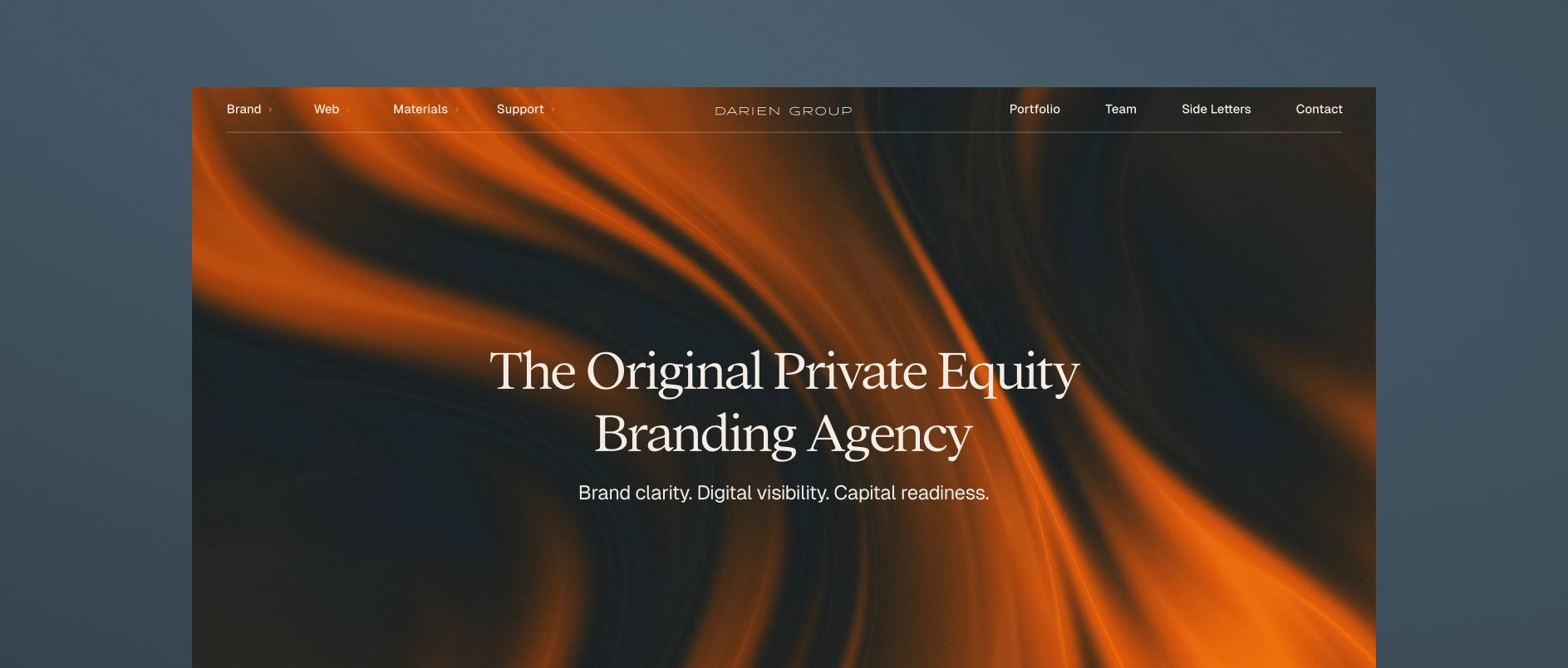
Darien Group is the only branding and communications firm built exclusively for investment managers. Our work centers on helping firms articulate a differentiated strategy, communicate clearly with LPs and founders, and present a credible, cohesive identity across every touchpoint.
What makes Darien Group different:
Private-markets fluency
We work exclusively with investment managers. That specialization translates into deep understanding of fund strategy, value creation, LP expectations, GP–founder dynamics, and the nuances of middle-market fundraising.
Narrative-first strategy
Our team helps clients articulate why their strategy works - not just what they do. Positioning, messaging frameworks, and story architecture are designed specifically for LP, founder, and intermediary audiences.
Institutional investor materials
Pitchbooks, PPMs, annual reports, quarterly updates, and fund overviews are built to an institutional standard, combining clarity, compliance alignment, and compelling structure.
Digital platforms built for today’s investors
We specialize in building websites and digital platforms that communicate a firm’s strategy with clarity and credibility. Our work includes partner bios, sector pages, insights hubs, and news systems - all designed to support deal sourcing, LP diligence, and founder engagement.
Modular content & communication systems
We develop messaging frameworks and repeatable content structures that help investment managers communicate consistently. These systems align websites, pitch materials, and ongoing updates so a firm’s story remains cohesive across every channel.
Boutique, high-touch model
Strategy, messaging, design, and execution are delivered by specialists who understand the expectations and pace of private-market teams.
Best for investment managers who need: A differentiated investment story, LP-ready materials, modern digital presence, and a partner who deeply understands private equity, private credit, and alternative investments.
2. Grady Campbell
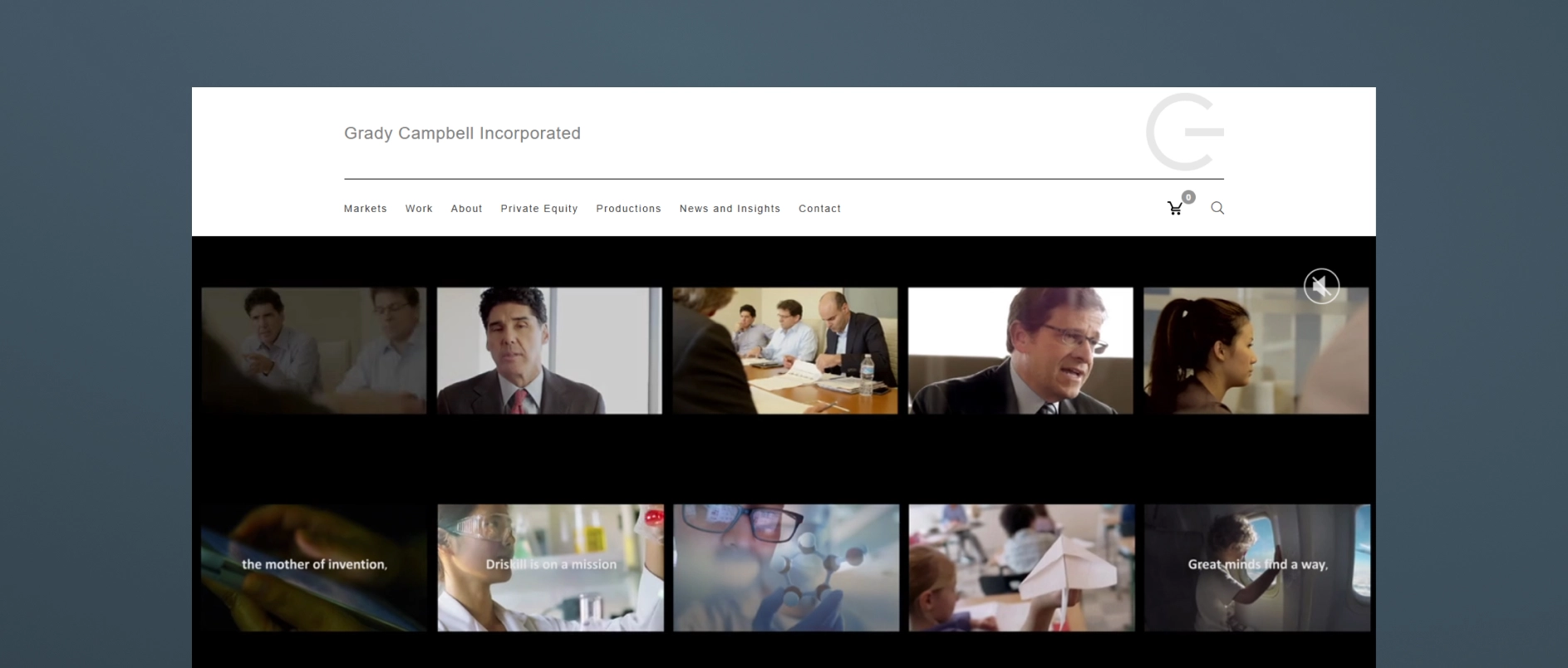
Grady Campbell is a full-service strategic branding and marketing agency with decades of experience, offering integrated brand, marketing, design, digital, content, and public-relations services. While they serve a broad set of verticals - from commercial banking to industrial, consumer, law, and technology - they maintain a dedicated private-equity vertical and specialized offerings for lower- and middle-market PE firms.
Best for Investment managers who need: integrated marketing programs, video and animation production, and public relations strategies.
3. 51 Labs
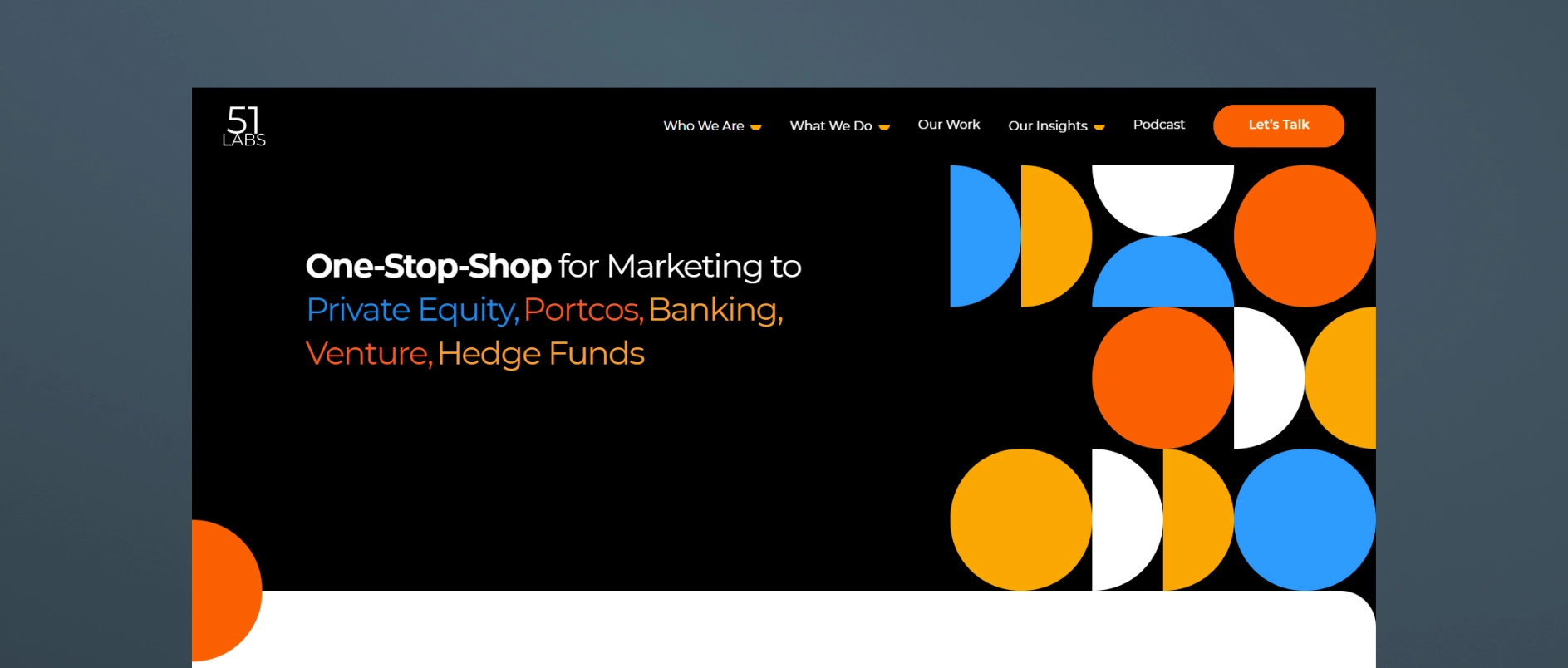
51 Labs is a modern marketing partner focused on private equity, credit, and finance firms. They combine financial-industry fluency with creative execution to deliver branding, websites, video, and content marketing. Their specialty is LinkedIn and video content, making them especially effective for firms seeking consistent visibility, platform + portfolio branding, and active engagement across digital channels.
Best for investment managers who need: a steady stream of LinkedIn content, video assets, and digital storytelling and unified branding across portfolio companies.
4. Bluetext

Bluetext is a full-service digital marketing and communications agency based in Washington, D.C., delivering branding, brand-revitalization, website design and development, content and digital marketing, thought-leadership campaigns, SEO, public relations, and demand-generation services.
Best for investment managers who need: pipeline building, deal-flow generation, and ongoing visibility.
5. Bladonmore
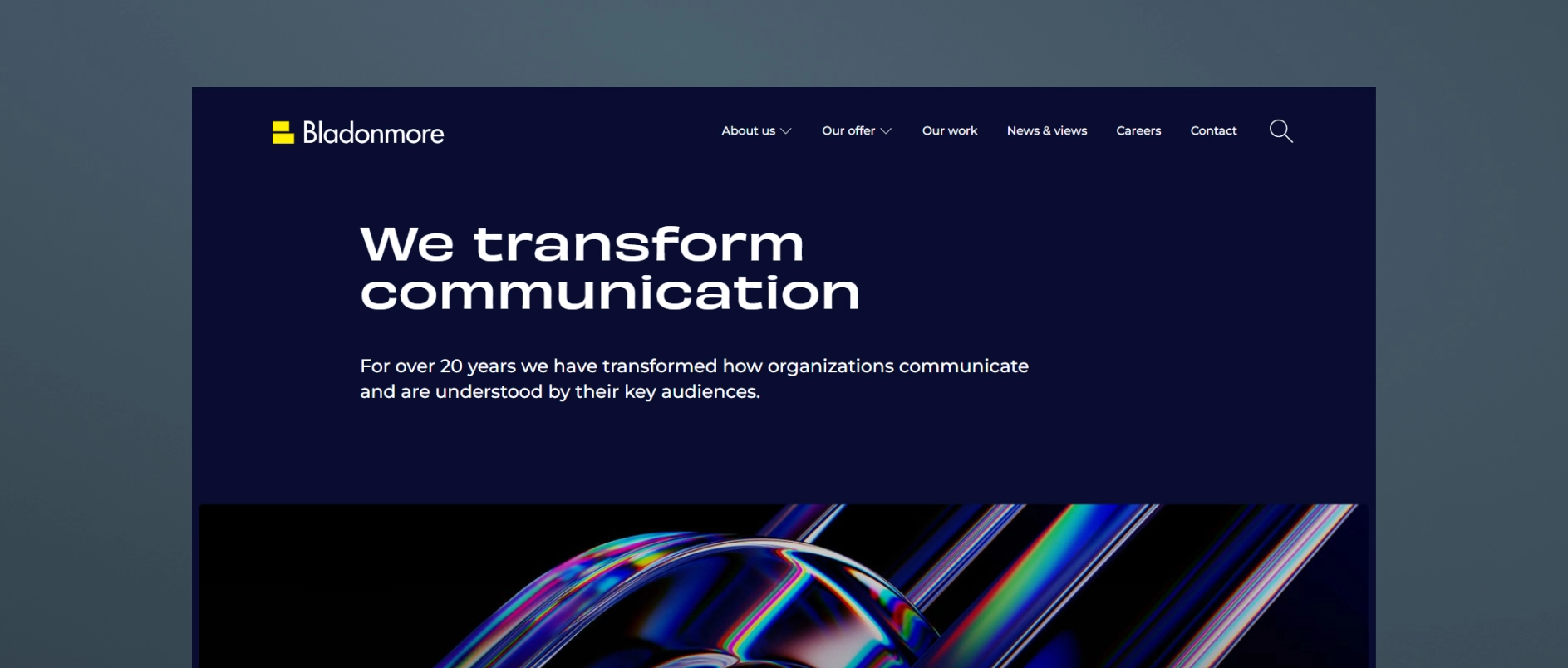
Bladonmore is a global stakeholder-communications agency with 20+ years of experience building brand, investor communications, digital content, film, and sustainability messaging for corporations, investors, family offices, and private-market clients.They combine strategy, creative design, digital execution, editorial, and multimedia to help clients articulate complex business stories.
Best for investment managers who need: institutional-grade investor communications, ESG/sustainability storytelling, global stakeholder messaging, public-market exposure, and reputation management.
6. The Durkan Group

The Durkan Group is a digital-focused design studio specializing in brand identity, UX/UI, and custom website development. They create clean, modern, user-centered digital experiences supported by thoughtful visual systems and structured messaging.
Best for investment managers who need: a prioritized user experience, intuitive navigation, and design-first identity over heavy content-generation or marketing campaigns.
7. FINE
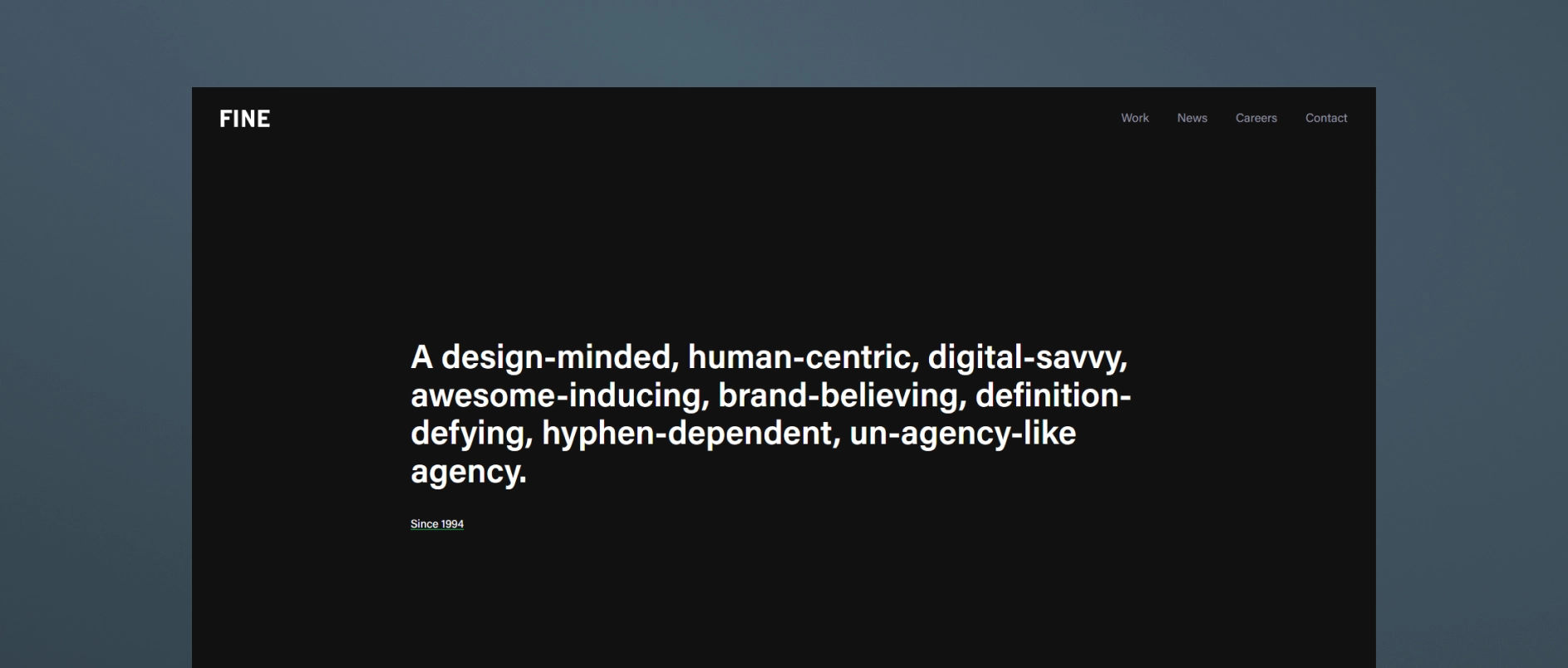
FINE is a high-end creative agency known for big-idea brand thinking, striking visual identity systems, and highly polished, immersive digital experiences. While not exclusive to investment managers, their portfolio spans hospitality, luxury, consumer, and high-growth brands - giving them a reputation for elevated, expressive, and design-rich work that stands out in any industry.
Best for investment managers who need: a bold, premium brand expression; prefer a more conceptual, high-aesthetic creative direction; or seek a visually memorable website and identity system drawn from world-class cross-industry design rather than traditional finance conventions.
8. Monogram Group
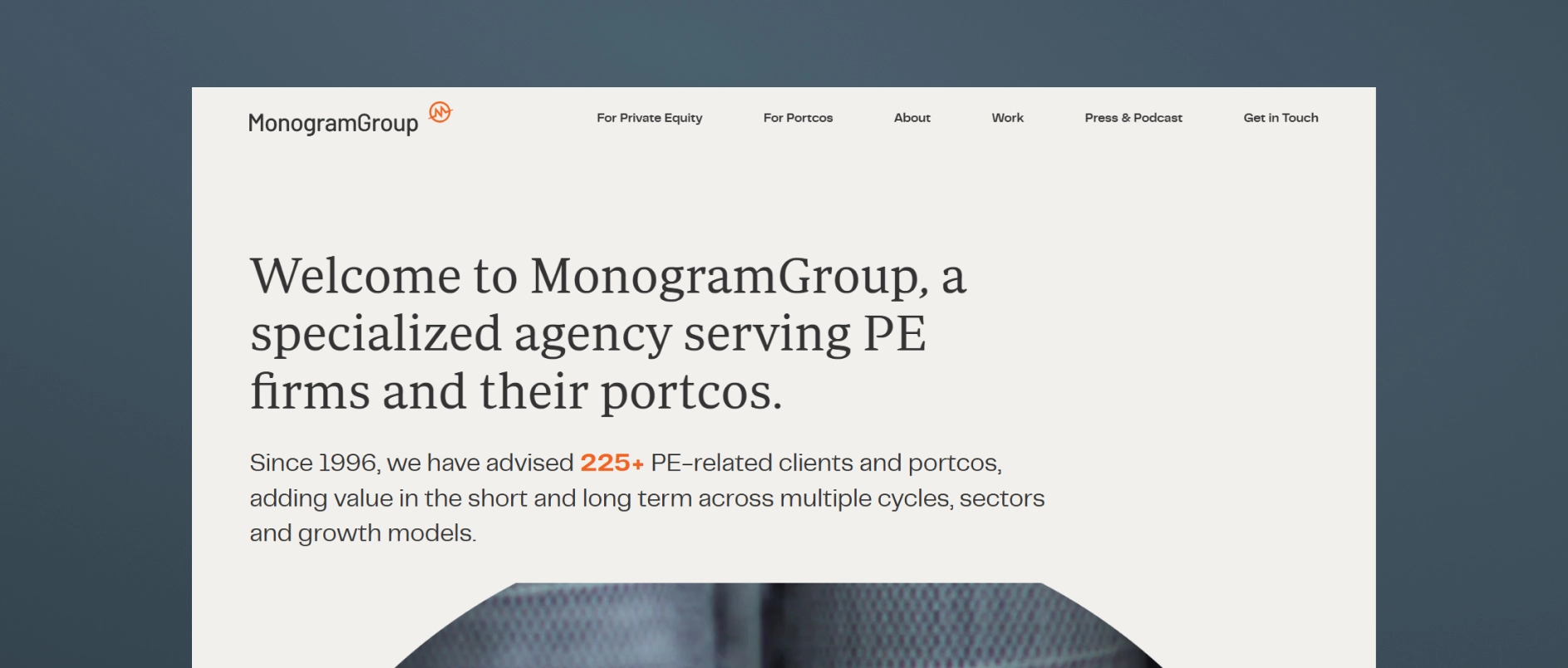
MonogramGroup is a seasoned agency (35+ years) that specializes in private equity and portfolio-company branding. They combine brand strategy, messaging, visual identity, web design, and go-to-market execution to help PE firms and their portcos sharpen positioning, support fundraising and deal sourcing, and scale brand value across the investment lifecycle.
Best for investment managers who need: an agency that can manage the full lifecycle: from pre-deal diligence and brand architecture through post-deal integration, portfolio-company identity, and exit preparation.
9. Consequently Creative

Consequently Creative is a boutique studio that focuses on crafting distinctive brand identities, visual systems, websites, and digital assets. Their work emphasizes storytelling through design, combining identity, layout, UX, photography, and motion to create brands that feel modern, cohesive, and expressive.
Best for investment managers who need: a boutique partner to develop brand and website assets with craftsmanship and attention to detail, or prefer a creative studio that can elevate the look, feel, and digital presence of both the firm and its portfolio companies without requiring full investor-materials support or institutional content strategy.
10. Clever Design

CleverDesign is a New York-based firm with decades of experience in web design, logo creation, and graphic design, and a history of working with private equity, investment banking, hedge funds, and other financial services clients. Their core offerings include websites, brand identity, logo design, pitchbooks / presentations, graphic design, and digital collateral.
Best for investment managers who need: a clean, professional, and finance-sector–tailored website or brand identity rather than full-scale content, marketing, or private-markets narrative support.